

You’ve spent months planning your dream extension. The architect’s drawings are approved, the builder is ready to start, and you’re already imagining the finished space.
Then your neighbour knocks on the door.
They’ve heard about the work, they’re concerned about potential damage to their property, and suddenly your project is facing delays before a single brick has been laid.
This situation is more common than many homeowners realise—and in many cases, it starts with one overlooked document: the Party Wall Notice Bishop\'s Cleeve.
If you are extending your home, doing a loft conversion, or digging new foundations and building a wall on the boundary, you must serve the correct notice; otherwise, costly disputes and legal complications could arise, which could lead to further work to avoid specific Planning problems. In others, however, the work may have to grind to a halt until the right processes are put in place.
The good news? The Party Wall Notice process doesn’t have to be complicated.
In this guide, we’ll explain exactly what a Party Wall Notice Bishop\'s Cleeve is, when you need one, the different notice types, what happens if your neighbour objects, and the costly mistakes that catch homeowners out every year.
Why So Many Homeowners Get Caught Out
One of the biggest misconceptions is that the Party Wall Act only applies to major construction projects.
In reality, even relatively common home improvements can trigger legal obligations.
Planning to insert steel beams for a rear extension? You may need a Party Structure Notice.
Digging foundations near your neighbour’s home? An Excavation Notice could be required.
Building a wall directly on the boundary line? You’ll likely need a Line of Junction Notice.
Many homeowners only discover these requirements after a neighbour raises concerns—or worse, after work has already started. What Happens If You Ignore the Party Wall Act? Real Consequences for UK Homeowners
At that stage, what seemed like a straightforward project can quickly become stressful, expensive, and time-consuming.
A little preparation before work begins can go a long way—serving the correct notice helps avoid delays and prevents neighbour disagreements from escalating.
The Four Types of Party Wall Notices You Need to Know
Not every project requires the same notice. The Party Wall Act Bishop\'s Cleeve contains several different notice types depending on the work being carried out.
Getting this wrong is one of the most common reasons projects face delays.
1. Party Structure Notice – For Work on Shared Walls
If your project involves altering a wall shared with a neighbouring property, a Party Structure Notice is usually required.
This might include:
- Cutting into the wall to install steel beams
- Raising the height of the wall
- Removing chimney breasts
- Underpinning the structure
- Demolishing and rebuilding sections of the wall
Think of it this way: if you’re physically changing a wall that affects both properties, the Party Wall Act probably applies.
3. Three Metre Notice – Digging Close to a Neighbour’s Property
Excavation work often surprises homeowners.
You may never touch your neighbour’s building, yet the Act can still apply.
If you’re excavating within three metres of a neighbouring structure and digging deeper than their foundations, you’ll usually need to serve a Three Metre Notice.
This commonly applies to:
- Home extensions
- New foundations
- Basement works
- Deep drainage projects
2. Line of Junction Notice – When Building on the Boundary
Imagine you’re constructing a new extension and want the wall to sit directly on the boundary line.
You can’t simply start building.
A Line of Junction Notice gives your neighbour the opportunity to agree or disagree with the proposal before work begins.
While many neighbours are happy to consent, assumptions can lead to disputes later. That’s why the formal notice process is so important.
4. Six Metre Notice – For Larger Excavation Projects
For substantial excavation works, the rules extend even further.
A Six Metre Notice may be required if the excavation could affect the structural stability of nearby buildings, even when they’re not immediately next door.
This often comes as a surprise to homeowners who assume distance alone removes the need for notice.
Unfortunately, that’s not always the case.
The Question Every Homeowner Asks: When Should I Serve Notice?
The short answer?
Earlier than you think.
Many homeowners leave Party Wall matters until the builder is ready to start. Unfortunately, by then, delays can become almost unavoidable.
The legal notice periods are:
- Two months for Party Structure Notices
- One month for Line of Junction Notices
- One month for Three Metre Notices
- One month for Six Metre Notices
However, if neighbours object or fail to respond, additional time is often needed for surveyors to become involved.
Starting the process early can save weeks—or even months—of frustration.

What If My Neighbour Says No?
This is usually the biggest concern for homeowners.
The word “dissent” sounds alarming, but it doesn’t mean your project is blocked.
In fact, many Party Wall Bishop\'s Cleeve matters proceed perfectly smoothly even after a neighbour dissents.
If your neighbour objects, don’t panic. Their dissent simply means surveyors will step in to create a Party Wall Award—a document that sets clear rules for the project and helps protect everyone involved. Do I Need a Party Wall Agreement? A Complete Checklist for UK Homeowners
In most cases, it’s a practical solution rather than a major obstacle.

What If They Ignore Me Completely?
Surprisingly, this happens quite often.
Some neighbours forget to reply. Others aren’t sure what the notice means. A few simply put it aside and never respond.
No response does not equal consent.
If 14 days pass without a reply, further steps are required. If the neighbour still doesn’t respond, a dispute is deemed to have arisen, and surveyors can be appointed to move the process forward. Buying a Property? Don’t Forget About The Party Wall Act 1996
Ignoring the notice won’t stop the project forever—but it can create delays if the correct procedure isn’t followed.
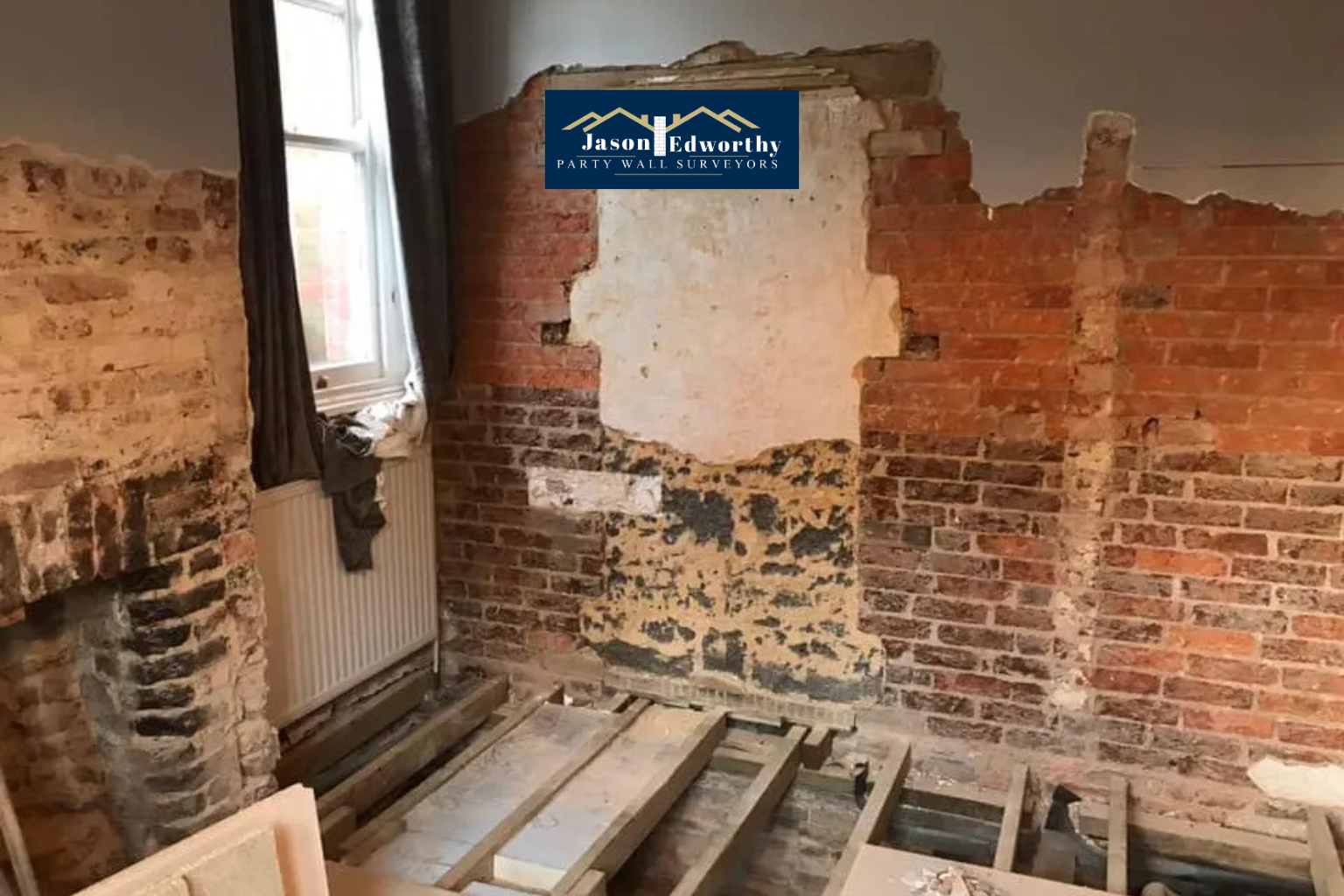
Common Party Wall Mistakes That Could Delay Your Build
After years of dealing with Party Wall matters, certain mistakes appear again and again.
These include:
- Serving the wrong notice type
- Missing statutory notice periods
- Providing incomplete project details
- Forgetting to notify all adjoining owners
- Starting work before the process is complete
- Assuming verbal approval is enough
It might seem like a small detail now, but it can become a major headache once work is scheduled and contractors are ready to begin.
FAQs
Q: Can I start work if my neighbour doesn’t reply to my Party Wall Notice Bishop\'s Cleeve?
No. A lack of response is not consent. If your neighbour doesn’t reply within 14 days, you’ll need to follow the Party Wall dispute procedure before work can proceed.
Q: What if I started building work before serving a Party Wall Notice Bishop\'s Cleeve?
You should seek professional advice immediately. Starting work without the required notice can lead to disputes, delays, and potential legal action.
Q: Can my neighbour stop my project by refusing to consent?
Not usually. A refusal triggers the appointment of surveyor(s) who will prepare a Party Wall Award, allowing the project to move forward legally.
Q: How do I know which Party Wall Notice Bishop\'s Cleeve I need?
It depends on the work. Building on a shared wall, constructing on a boundary, or excavating near a neighbour’s property may all require different notices.
Q: What happens if my neighbour claims I damaged their property?
Any genuine damage caused by the works may need to be repaired or compensated. A Schedule of Condition can help protect both parties.
Q: Why Do So Many Homeowners Get Party Wall Notices Wrong?
The most common mistake is serving the wrong notice or serving it too late, which can delay the project and create unnecessary disputes.
Final Thoughts
Before the first shovel hits the ground, one important piece of paperwork could determine how smoothly your project progresses: the Party Wall Notice Bishop\'s Cleeve.
Get it right, and you’ll have a clear legal framework, better neighbour relations, and a smoother path to construction.
Get it wrong, and you could face delays, disputes, and unnecessary costs.
Before work begins, make sure you understand which notice applies, when it needs to be served, and what steps to take if your neighbour objects or doesn’t respond. Proper planning today can help prevent costly complications tomorrow.
For further information, please call US on 03300 101 381